System maintenance isn’t just a tech chore—it’s the backbone of smooth, secure, and efficient operations. Whether you’re managing a server, a smartphone, or a complex enterprise network, regular upkeep ensures longevity, reliability, and peak performance. Let’s dive into the ultimate guide that transforms routine checks into strategic advantages.



What Is System Maintenance and Why It Matters

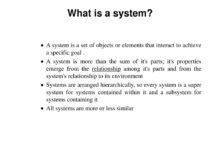
At its core, system maintenance refers to the routine and preventive tasks performed to keep hardware, software, and networks operating efficiently. It’s not just about fixing problems—it’s about preventing them before they occur. From updating software to cleaning hardware components, system maintenance ensures that systems run at optimal levels, minimizing downtime and maximizing productivity.
Defining System Maintenance in Modern Tech
System maintenance encompasses a wide range of activities, including software updates, hardware diagnostics, data backups, security patches, and performance monitoring. In today’s digital-first world, where businesses rely heavily on technology, consistent system maintenance is no longer optional—it’s essential. According to Cisco, organizations that neglect maintenance face up to 50% more downtime than those with structured upkeep plans.
- Software updates and patch management
- Hardware inspection and cleaning
- Security audits and vulnerability assessments
The Hidden Cost of Ignoring System Maintenance
Skipping system maintenance might save time in the short term, but the long-term consequences can be devastating. Unpatched software can lead to security breaches, outdated drivers can cause system crashes, and fragmented storage can slow down operations. A study by IBM found that the average cost of a data breach in 2023 was $4.45 million—many of which stemmed from preventable system vulnerabilities.
“Preventive maintenance is cheaper than emergency repair.” — TechOps Research Group
The 7 Core Types of System Maintenance
Understanding the different types of system maintenance helps organizations build a comprehensive strategy. Each type serves a unique purpose and contributes to overall system health. From corrective fixes to predictive analytics, these approaches form the foundation of any robust maintenance plan.
Corrective Maintenance: Fixing What’s Broken
Corrective maintenance is reactive—it kicks in after a system failure. While it’s necessary, relying solely on this approach can lead to costly downtime. For example, if a server crashes due to overheating, corrective maintenance involves diagnosing the issue, repairing or replacing components, and restoring operations.
- Identifying root causes of failure
- Restoring system functionality
- Documenting incidents for future prevention
Preventive Maintenance: Stopping Problems Before They Start
Preventive system maintenance is proactive. It involves scheduled tasks like disk cleanups, software updates, and hardware inspections. For instance, replacing a failing hard drive before it dies prevents data loss. Companies like Microsoft recommend monthly preventive checks for enterprise systems.
- Scheduled software patching
- Regular antivirus scans
- Hardware dusting and cooling checks
Predictive Maintenance: Using Data to Forecast Issues
Predictive maintenance leverages sensors, AI, and machine learning to anticipate failures. For example, a server might send alerts when CPU temperature exceeds safe thresholds. This type of system maintenance is increasingly popular in industries like manufacturing and IT infrastructure.
- Real-time monitoring with IoT devices
- AI-driven anomaly detection
- Automated alert systems
Essential System Maintenance Tasks for Every Organization
Every organization, regardless of size, should implement a checklist of essential system maintenance tasks. These routines ensure that systems remain secure, efficient, and compliant with industry standards. Skipping even one task can create vulnerabilities that hackers or hardware failures can exploit.
Software Updates and Patch Management
One of the most critical aspects of system maintenance is keeping software up to date. Cybercriminals often exploit known vulnerabilities in outdated software. Regular patching closes these security gaps. Tools like Windows Update, Linux package managers, and enterprise patch management solutions automate this process.
- Operating system updates
- Application and firmware patches
- Automated update scheduling
Data Backup and Recovery Planning
Data is an organization’s most valuable asset. System maintenance must include regular backups—both on-site and off-site. The 3-2-1 rule (three copies, two media types, one off-site) is a best practice. Cloud services like Amazon Web Services offer scalable backup solutions.
- Daily incremental backups
- Monthly full system backups
- Disaster recovery drills
Security Audits and Vulnerability Scanning
Regular security audits are a non-negotiable part of system maintenance. These involve scanning for open ports, weak passwords, unpatched software, and misconfigurations. Tools like Nessus, OpenVAS, and Qualys help identify risks before attackers do.
- Quarterly penetration testing
- Firewall and intrusion detection reviews
- User access control audits
Best Practices for Effective System Maintenance
Executing system maintenance effectively requires more than just a checklist—it demands strategy, consistency, and the right tools. Organizations that follow best practices experience fewer outages, better security, and higher user satisfaction.
Create a Maintenance Schedule and Stick to It
A well-structured system maintenance schedule ensures that no task is overlooked. Whether it’s weekly disk cleanups or quarterly security audits, scheduling prevents last-minute scrambles. Use calendar tools or IT service management (ITSM) platforms like ServiceNow or Jira to automate reminders.
- Daily: Log reviews and uptime checks
- Weekly: Antivirus scans and patch verification
- Monthly: Full system diagnostics and backup validation
Automate Wherever Possible
Automation reduces human error and frees up IT staff for strategic tasks. Scripting tools (like PowerShell or Bash), configuration management software (like Ansible or Puppet), and monitoring platforms (like Nagios or Zabbix) can automate routine system maintenance tasks.
- Automated patch deployment
- Scheduled backup scripts
- Real-time alerting systems
Document Everything for Accountability
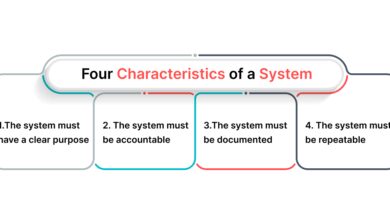
Documentation is often overlooked but is crucial for accountability and continuity. Every system maintenance activity—from a simple reboot to a major upgrade—should be logged. This helps in troubleshooting, compliance audits, and training new staff.
- Maintenance logs with timestamps
- Change management records
- Incident reports and resolutions
Tools and Technologies for Modern System Maintenance
The right tools make system maintenance faster, more accurate, and scalable. From open-source utilities to enterprise-grade platforms, technology has made it easier than ever to monitor, maintain, and optimize systems.
Monitoring Tools: Keeping a Pulse on System Health
Monitoring tools provide real-time insights into system performance. Platforms like Datadog, Prometheus, and SolarWinds track CPU usage, memory consumption, network latency, and more. Alerts can be set to notify admins when thresholds are breached.
- Server and network monitoring
- Application performance management (APM)
- Cloud infrastructure observability
Configuration Management: Ensuring Consistency Across Systems
In large environments, ensuring all systems are configured identically is a challenge. Configuration management tools like Chef, Puppet, and Ansible enforce standard settings across servers, reducing configuration drift and security risks.
- Automated server provisioning
- Policy enforcement across devices
- Version-controlled configuration files
Remote Management and Support Tools
With the rise of remote work, remote system maintenance has become essential. Tools like TeamViewer, AnyDesk, and Microsoft Remote Desktop allow IT teams to troubleshoot and maintain systems from anywhere.
- Remote access for troubleshooting
- Secure connection protocols (SSH, RDP)
- Multi-factor authentication for remote sessions
Common Challenges in System Maintenance and How to Overcome Them
Even with the best intentions, organizations face obstacles in maintaining their systems. From budget constraints to lack of expertise, these challenges can undermine even the most well-planned maintenance strategies.
Limited IT Resources and Staffing
Small and medium-sized businesses often lack dedicated IT teams. This makes consistent system maintenance difficult. The solution? Outsource to managed service providers (MSPs) or use cloud-based IT management platforms that reduce the need for in-house expertise.
- Outsourcing to MSPs
- Using SaaS-based maintenance tools
- Training non-IT staff on basic tasks
Downtime During Maintenance Windows
One of the biggest concerns with system maintenance is downtime. However, strategic planning can minimize disruption. Schedule maintenance during off-peak hours, use rolling updates, or implement high-availability clusters that allow systems to stay online during updates.
- Off-peak scheduling
- Load balancing during updates
- Zero-downtime deployment strategies
Keeping Up with Rapid Technological Changes
Technology evolves quickly. New vulnerabilities emerge, software versions change, and hardware becomes obsolete. Staying current requires continuous learning and adaptation. Subscribe to security bulletins, attend webinars, and participate in IT communities to stay informed.
- Subscribing to CVE and security advisories
- Regular staff training and certifications
- Adopting agile IT maintenance frameworks
The Future of System Maintenance: AI, Automation, and Beyond
The future of system maintenance is intelligent, predictive, and self-healing. As artificial intelligence and machine learning mature, systems will not only detect issues but resolve them autonomously—before users even notice.
AI-Powered Predictive Analytics
AI is revolutionizing system maintenance by analyzing vast amounts of operational data to predict failures. For example, Google’s DeepMind has been used to optimize data center cooling, reducing energy use by 40%. In the near future, AI will predict disk failures, network bottlenecks, and security threats with high accuracy.
- Machine learning for anomaly detection
- Self-optimizing databases and networks
- Proactive resource allocation
Self-Healing Systems and Autonomous Repair
Imagine a server that detects a failing component, isolates it, and reroutes traffic automatically—all without human intervention. This is the promise of self-healing systems. Companies like IBM and Microsoft are already developing autonomous IT operations (AIOps) platforms that combine AI with IT operations.
- Automatic failover and redundancy
- Dynamic patching and updates
- Real-time threat response
The Role of Edge Computing and IoT in Maintenance
As more devices connect to the internet, system maintenance must extend to edge devices. IoT sensors in factories, smart buildings, and vehicles generate real-time data that can be used for predictive maintenance. For instance, a smart HVAC system can alert technicians before a compressor fails.
- Remote monitoring of edge devices
- Firmware updates over-the-air (OTA)
- Edge-based anomaly detection
What is the most important aspect of system maintenance?
The most important aspect is consistency. Regular, scheduled maintenance—especially software updates and backups—prevents the majority of system failures and security breaches. A consistent approach ensures that no critical task is overlooked.
How often should system maintenance be performed?
It depends on the system, but a general rule is: daily monitoring, weekly scans, monthly updates, and quarterly audits. Critical systems may require more frequent attention, while less critical ones can follow a bi-monthly schedule.
Can system maintenance be fully automated?
While many tasks can be automated—like updates, backups, and monitoring—human oversight is still essential. Automation reduces workload, but strategic decisions, incident response, and documentation often require human judgment.
What are the risks of poor system maintenance?
Poor system maintenance leads to increased downtime, security vulnerabilities, data loss, and higher repair costs. It can also result in compliance violations, especially in regulated industries like healthcare and finance.
Is system maintenance different for cloud vs. on-premise systems?
Yes. In cloud environments, providers handle hardware maintenance, but users are responsible for software updates, configuration, and security. On-premise systems require full ownership of both hardware and software upkeep.
System maintenance is not a one-time task but an ongoing commitment to reliability, security, and efficiency. From preventive checks to AI-driven predictions, the strategies and tools available today make it easier than ever to keep systems running smoothly. By embracing best practices, leveraging automation, and planning for the future, organizations can turn system maintenance from a burden into a strategic advantage. The key is consistency, documentation, and a proactive mindset—because the best time to fix a problem is before it happens.
Further Reading: