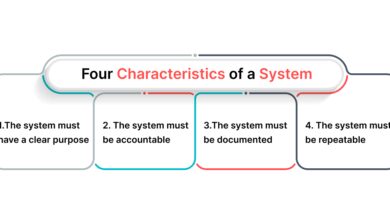
In today’s fast-paced digital world, system integration is no longer optional—it’s essential. From streamlining operations to boosting data accuracy, effective integration connects disparate systems into a unified, powerful ecosystem that drives real business value.




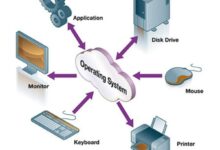

What Is System Integration and Why It Matters

System integration refers to the process of connecting different software systems, applications, and technologies within an organization so they can function as a coordinated whole. This allows data to flow seamlessly across departments, eliminating silos and enabling better decision-making. As businesses grow and adopt new technologies, the need for cohesive system integration becomes increasingly critical.
The Core Definition of System Integration
At its most basic level, system integration involves linking various IT systems—such as ERP, CRM, HRIS, and supply chain platforms—so they can exchange data and work together efficiently. This can include integrating legacy systems with modern cloud-based platforms or connecting on-premise software with third-party APIs.
According to Gartner, system integration is a strategic enabler of digital transformation, allowing organizations to respond faster to market changes and customer demands.
Key Drivers Behind System Integration
Several factors are pushing organizations toward system integration:
- Operational Efficiency: Reducing manual data entry and automating workflows saves time and reduces errors.
- Data Accuracy: Integrated systems ensure consistent, real-time data across platforms.
- Scalability: As companies grow, integrated systems can scale with them without major overhauls.
- Customer Experience: Unified systems allow for personalized, faster service across touchpoints.
“Integration is not just a technical challenge—it’s a business imperative.” — Forrester Research
Common Challenges in System Integration
Despite its benefits, system integration is not without hurdles. Common challenges include:
- Incompatible technologies and data formats
- Legacy systems that lack modern APIs
- Data security and compliance risks
- High initial costs and resource demands
- Resistance to change from internal stakeholders
Overcoming these obstacles requires careful planning, the right tools, and strong leadership support.
The Evolution of System Integration Over Time
System integration has evolved significantly over the decades, shaped by advances in computing, networking, and software architecture. Understanding this evolution helps organizations appreciate the current state of integration and anticipate future trends.
From Point-to-Point to Enterprise Integration
In the early days of computing, integration was often done through point-to-point connections—direct links between two systems. While simple, this approach became unmanageable as the number of systems grew, leading to what’s known as “spaghetti architecture.”
The rise of enterprise application integration (EAI) in the 1990s introduced middleware platforms that acted as central hubs for data exchange. This allowed for more scalable and maintainable integration patterns.
The Rise of Service-Oriented Architecture (SOA)
SOA emerged in the 2000s as a more flexible approach to system integration. It promoted the idea of breaking down applications into reusable services that could communicate over standard protocols like SOAP and HTTP.
SOA laid the groundwork for modern integration by emphasizing loose coupling, reusability, and interoperability. However, it often required complex governance and was sometimes difficult to implement in practice.
Cloud and API-Driven Integration Era
With the explosion of cloud computing and mobile applications, integration shifted toward API-first design. Platforms like Amazon API Gateway and Google Cloud APIs made it easier to expose and consume services securely.
Today, most system integration strategies leverage RESTful APIs, microservices, and cloud-native tools to enable real-time, scalable connectivity across hybrid environments.
Types of System Integration Approaches
There is no one-size-fits-all solution when it comes to system integration. Different approaches suit different organizational needs, technical landscapes, and business goals. Choosing the right method is crucial for long-term success.
Point-to-Point Integration
This is the most basic form of integration, where systems are connected directly to one another. While quick to implement, it becomes unwieldy as the number of connections grows.
For example, if System A connects to System B, and System B connects to System C, any change in B affects both A and C. This lack of scalability makes point-to-point integration unsuitable for large enterprises.
Vertical Integration (Silos)
In vertical integration, systems are grouped by function or department (e.g., finance, HR, sales). Each group has its own integrated stack, but there’s little communication between silos.
While this approach can deliver fast results within departments, it hinders cross-functional collaboration and creates data duplication. It’s often a temporary solution during digital transformation.
Horizontal Integration (Enterprise Service Bus)
Horizontal integration uses a middleware layer—often called an Enterprise Service Bus (ESB)—to connect all systems. The ESB acts as a central communication backbone, routing messages and transforming data formats.
This model offers better scalability and easier maintenance than point-to-point. Tools like Apache Camel and IBM App Connect are popular choices for implementing ESB-based integration.
Star Integration (Spaghetti Architecture)
Star integration is essentially a network of point-to-point connections radiating from a central system. While it may appear organized, it often leads to high complexity and fragility.
Changes in the central system can ripple through the entire network, making updates risky. This model is generally discouraged in favor of more modular approaches.
Common Data Format Integration
This approach involves standardizing data formats across systems (e.g., using JSON or XML schemas). When all systems speak the same language, integration becomes simpler and more reliable.
Organizations often use data transformation tools like RAML or OpenAPI to define and enforce common formats.
Key Benefits of Effective System Integration
When done right, system integration delivers transformative benefits across the organization. It’s not just about connecting systems—it’s about unlocking value from data, improving agility, and enhancing customer experiences.
Improved Operational Efficiency
Integrated systems automate workflows that would otherwise require manual intervention. For example, when a sales order is entered into a CRM, it can automatically trigger inventory checks, invoicing, and shipping notifications.
This reduces processing time, minimizes human error, and frees up employees to focus on higher-value tasks.
Real-Time Data Access and Analytics
One of the biggest advantages of system integration is the ability to access real-time data across the enterprise. Decision-makers can pull insights from unified dashboards that combine data from finance, sales, operations, and customer service.
Tools like Microsoft Power BI and Google Looker thrive in integrated environments, delivering actionable intelligence.
Enhanced Customer Experience
Customers expect seamless interactions across channels—whether online, in-store, or via customer support. System integration enables a 360-degree view of the customer by combining data from CRM, e-commerce, and support platforms.
This allows for personalized marketing, faster issue resolution, and consistent service delivery.
Scalability and Future-Proofing
As businesses grow, their technology needs evolve. A well-integrated system architecture makes it easier to add new applications, enter new markets, or scale operations without major disruptions.
Cloud-based integration platforms like MuleSoft Anypoint Platform and Salesforce Integration Cloud are designed with scalability in mind.
System Integration in Different Industries
The application of system integration varies widely across industries, each with unique requirements and challenges. Let’s explore how different sectors leverage integration to drive performance.
Healthcare: Connecting Patient Data Securely
In healthcare, system integration is critical for sharing patient records between hospitals, clinics, labs, and insurers. Interoperability standards like HL7 and FHIR enable secure, standardized data exchange.
Integrated electronic health records (EHR) systems improve diagnosis accuracy, reduce duplicate tests, and enhance patient safety.
Retail and E-Commerce: Omnichannel Integration
Retailers use system integration to unify online and offline experiences. When inventory, CRM, and POS systems are connected, customers can buy online and return in-store, check real-time stock levels, or receive personalized offers.
Companies like Amazon and Walmart rely on robust integration to manage millions of transactions daily.
Manufacturing: Integrating Supply Chain and Production
Manufacturers integrate ERP, MES (Manufacturing Execution Systems), and SCM (Supply Chain Management) platforms to optimize production planning, inventory control, and logistics.
Real-time integration allows for predictive maintenance, just-in-time manufacturing, and faster response to supply chain disruptions.
Finance and Banking: Secure and Compliant Integration
Financial institutions integrate core banking systems with payment gateways, fraud detection tools, and customer portals. Security and compliance (e.g., GDPR, PCI-DSS) are paramount.
API banking and open banking initiatives rely heavily on secure, standardized integration frameworks.
Best Practices for Successful System Integration
Implementing system integration successfully requires more than just technical know-how. It demands strategic planning, stakeholder alignment, and a focus on long-term sustainability.
Define Clear Objectives and KPIs
Before starting any integration project, organizations must define clear goals. Are you aiming to reduce operational costs? Improve customer satisfaction? Enable faster reporting?
Establishing measurable KPIs—such as reduced processing time, increased data accuracy, or higher system uptime—helps track progress and justify investment.
Choose the Right Integration Architecture
The choice between ESB, microservices, iPaaS (Integration Platform as a Service), or custom APIs depends on your organization’s size, complexity, and future roadmap.
For example, startups might prefer lightweight API-based integration, while large enterprises may opt for a hybrid ESB-iPaaS model.
Prioritize Data Quality and Governance
Poor data quality can undermine even the most technically sound integration. Implement data validation, cleansing, and master data management (MDM) practices to ensure consistency.
Establish data ownership and governance policies to maintain integrity over time.
Ensure Security and Compliance
Integration increases the attack surface of your IT environment. Use encryption, authentication (e.g., OAuth), and role-based access control (RBAC) to protect sensitive data.
Regularly audit integration points for compliance with regulations like HIPAA, GDPR, or SOX.
Adopt Agile and Iterative Implementation
Rather than attempting a “big bang” integration, adopt an agile approach. Start with a pilot project—such as integrating CRM and marketing automation—then scale based on lessons learned.
This reduces risk and allows for continuous improvement.
Future Trends in System Integration
The landscape of system integration is constantly evolving. Emerging technologies and changing business models are shaping the next generation of integration strategies.
AI and Machine Learning in Integration
Artificial intelligence is beginning to play a role in system integration by automating data mapping, detecting anomalies, and predicting integration failures.
For example, AI-powered tools can analyze log files to identify performance bottlenecks or suggest optimal data transformation rules.
Event-Driven Architecture (EDA)
EDA is gaining traction as a way to build responsive, real-time systems. Instead of polling for changes, systems react to events (e.g., “order placed,” “payment received”) as they occur.
Platforms like Apache Kafka enable event streaming at scale, making EDA a powerful complement to traditional integration models.
Low-Code and No-Code Integration Platforms
Tools like Zapier, Power Automate, and Workato are empowering non-technical users to create integrations with minimal coding.
This democratization of integration accelerates innovation but requires governance to avoid shadow IT risks.
Integration of IoT and Edge Devices
As the Internet of Things (IoT) expands, integrating data from sensors, machines, and edge devices becomes crucial. Real-time integration enables predictive maintenance, smart logistics, and automated quality control.
Edge computing allows for local data processing, reducing latency and bandwidth usage before syncing with central systems.
Hybrid and Multi-Cloud Integration Challenges
Most organizations now operate in hybrid or multi-cloud environments, using a mix of AWS, Azure, Google Cloud, and on-premise systems. Integrating across these environments requires robust identity management, network security, and data synchronization.
Cloud-native integration tools like Apigee and Azure Logic Apps are designed to handle this complexity.
What is system integration?
System integration is the process of connecting different software systems and technologies so they can work together seamlessly, share data, and function as a unified whole. It helps eliminate data silos and improves operational efficiency.
Why is system integration important?
It enables real-time data flow, improves decision-making, enhances customer experience, reduces manual work, and supports scalability. Without integration, organizations risk inefficiency, errors, and missed opportunities.
What are the main types of system integration?
The main types include point-to-point, vertical, horizontal (ESB), star, and common data format integration. Each has its pros and cons depending on the organization’s size and complexity.
What are the biggest challenges in system integration?
Common challenges include incompatible systems, data security risks, high costs, legacy technology limitations, and organizational resistance to change. Proper planning and modern tools can mitigate these issues.
How is AI changing system integration?
AI is automating tasks like data mapping, anomaly detection, and predictive maintenance in integration workflows. It also enables smarter, self-healing systems that adapt to changing conditions in real time.
System integration is a cornerstone of modern digital transformation. From breaking down data silos to enabling real-time analytics and improving customer experiences, its impact is profound. By understanding the different approaches, benefits, and best practices, organizations can build resilient, scalable, and future-ready technology ecosystems. As technologies like AI, IoT, and cloud computing continue to evolve, the role of system integration will only grow in importance. The key to success lies in strategic planning, choosing the right tools, and fostering a culture of collaboration and innovation.
Further Reading: